Why Dubai Luxury Retail Is Booming in 2026
Dubai luxury retail is not just doing well. It is growing while many global luxury markets are slowing. Hermès said its Middle East-heavy “Other” region grew 14.9% in 2025, with particularly strong growth in the UAE. Richemont, which owns Cartier and Van Cleef & Arpels, reported 20% sales growth in
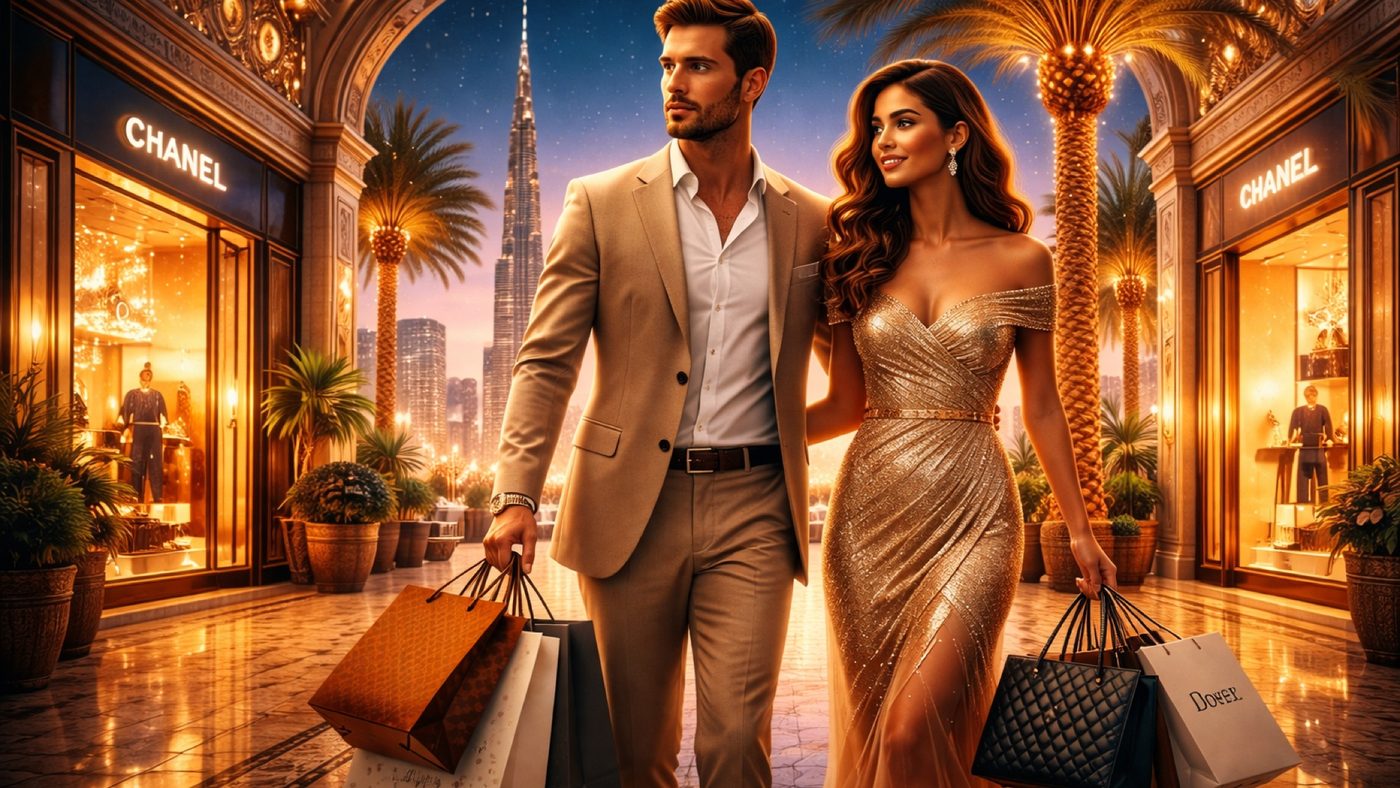
Dubai luxury retail is not just doing well. It is growing while many global luxury markets are slowing.
Hermès said its Middle East-heavy “Other” region grew 14.9% in 2025, with particularly strong growth in the UAE. Richemont, which owns Cartier and Van Cleef & Arpels, reported 20% sales growth in the Middle East & Africa region in the quarter ending December last year. Swiss watch exports to the UAE reached CHF 1.316 billion, up 3.5% year on year. Visa also found that one in nine Dubai residents made a luxury purchase every quarter in the last year.
So the market is clearly growing.
The more interesting question is: why is luxury retail still booming in Dubai when growth in many other luxury markets has slowed?
You will also want to read: Atlantis Dubai Has an Underwater Hotel Room – Would you sleep with the sharks?
Public luxury companies do not report Dubai-only sales, but regional and category data still gives a very clear picture.
| Category | Latest public data | What it shows |
|---|---|---|
| Bags & leather goods | Hermès leather goods grew 13.1% | Strong demand for handbags |
| Jewellery | Richemont Jewellery Maisons grew 14% | Cartier & Van Cleef demand strong |
| Watches | Swiss watch exports to UAE CHF 1.316bn, up 3.5% | UAE remains major watch market |
| Luxury consumers | 1 in 9 residents buys luxury each quarter | Strong resident demand |
| High-income base | 37% of households earn $150K+ | Large affluent population |
| Regional market | Middle East luxury market growing 4–6% | Region still expanding |
Individually, these numbers matter. Together, they tell a very simple story:
Dubai has both the customer and the spending power to support luxury retail growth.
What “Luxury” Means in Dubai
When we talk about luxury retail in Dubai, we are not talking about mid-market premium brands. We are talking about the top end of the global luxury market — the brands that operate on scarcity, waiting lists and private client relationships.
In Dubai, that level includes:
| Category | Brands |
|---|---|
| Watches | Patek Philippe, Audemars Piguet, Rolex, Richard Mille |
| Jewellery | Cartier, Van Cleef & Arpels, Bulgari |
| Handbags & fashion | Hermès, Chanel, Dior, Louis Vuitton |
| High jewellery | Graff, Harry Winston |
| Ultra-luxury | Loro Piana, Brunello Cucinelli |
These brands do not depend on discounts or heavy footfall. They depend on high-net-worth clients, repeat buyers and private appointments.
If these brands are expanding in a city, it means the city has the right customer base. Dubai now does.
Did you know: The world’s most expensive perfume is from Dubai? Shumukh The Spirit of Dubai
1. Dubai stopped depending on tourists
This is the biggest shift.
Dubai luxury used to be tourist-driven. People flew in, shopped, and left.
Now the core luxury customer lives in Dubai.
Visa data shows one in nine residents buys luxury every quarter, which is higher than many global cities. At the same time, about 37% of households are in high-income brackets.
Meanwhile, Vogue reported that even when tourism dropped recently due to regional tensions, luxury stores remained busy and local shoppers kept buying. That tells you exactly where the strength sits: with residents, not tourists.
| Old Dubai luxury model | 2026 Dubai luxury model |
|---|---|
| Tourist-led | Resident-led |
| Seasonal spending | Year-round spending |
| Impulse buying | Planned buying |
| One-time purchase | Repeat purchase |
Residents buy differently. They build collections. They maintain relationships with boutiques. They come back.
That makes revenue predictable. Luxury brands like predictable.
2. Dubai has the right buyer in the right place
“Luxury grows where wealthy people cluster.”
Bain estimates that emerging regions including the Middle East represent €40–45 billion in luxury retail sales, and the Middle East luxury market is expected to grow 4–6% annually, faster than many Western markets.
At the same time, the UAE continues to see one of the largest inflows of millionaires in the world. Wealth is not drifting into Dubai. It is relocating.
And people buy luxury goods where they live.
Not where they holiday. Not where they used to live. Where they live now.
3. Residents spend differently from tourists
This is a small point that explains a big trend.
| Tourist | Resident |
|---|---|
| Buys once | Buys repeatedly |
| Impulse | Planned |
| Souvenir | Collection |
| Price sensitive | Access sensitive |
Luxury brands prefer residents because repeat customers spend more over time.
“A tourist buys a bag once. A resident buys watches, jewellery, bags, and keeps buying for years.”
That is how a luxury market becomes stable instead of seasonal.
4. In Dubai, luxury is social behaviour
Vogue’s reporting from Dubai explains something many outsiders miss: luxury here is part of daily life, not occasional shopping.
“Stylists and designers told Vogue that dressing well in Dubai is “non-negotiable” and that spending has become more intentional rather than disappearing. They also noted that top-end clients continued buying even when tourism slowed, while more aspirational buyers became selective.”
That tells you something important:
- The top end is stable
- The middle market fluctuates
- Strong brands hold demand
- Weak brands struggle
Luxury in Dubai is tied to lifestyle, social events, gifting and status. That makes demand more consistent.
5. The calendar keeps luxury spending alive
Dubai also has built-in spending seasons.
Visa reported that clothing and apparel transactions were 2.6 times higher in the ten days before Eid al-Fitr. Vogue also noted that Eid spending held up normally even during regional tensions.
Luxury spending in Dubai is driven by:
- Eid gifting
- Weddings
- Summer travel wardrobes
- Private events
- High-spend weekends
This creates predictable demand throughout the year.
Predictable demand is very valuable in retail.
Another Signal That Luxury Retail Is Thriving
This one more thing is a strong indicator that the market is healthy: Prime luxury space is scarce
Dubai’s top luxury retail locations are limited:
- Fashion Avenue
- Mall of the Emirates luxury wing
- DIFC
Cushman & Wakefield reported:
- Fashion Avenue is the 11th most expensive retail location in the world
- Prime luxury retail rents rose 9% year on year
- Super-regional malls are near full occupancy
- Dubai is among the top cities globally for prime retail rental growth
Here is the key point:
“Rising rent in luxury malls does not slow luxury retail. It proves the stores are making money.”
If stores were not profitable, brands would leave and rents would fall. Instead, brands are competing for space.
That concentrates luxury brands in a small area, which attracts wealthy shoppers, which increases sales per store, which pushes rents higher again.
It becomes a loop.
Dubai luxury retail is booming in 2026 because Dubai now has a large and growing base of wealthy residents who buy luxury goods regularly, making Dubai one of the most profitable markets in the world for luxury brands.